
Matchwell | a Medical Solutions Company
Building a Scalable Design System for a Two-Sided Healthcare Platform
From fragmented UI patterns to a cohesive, scalable design foundation
Overview
Overview
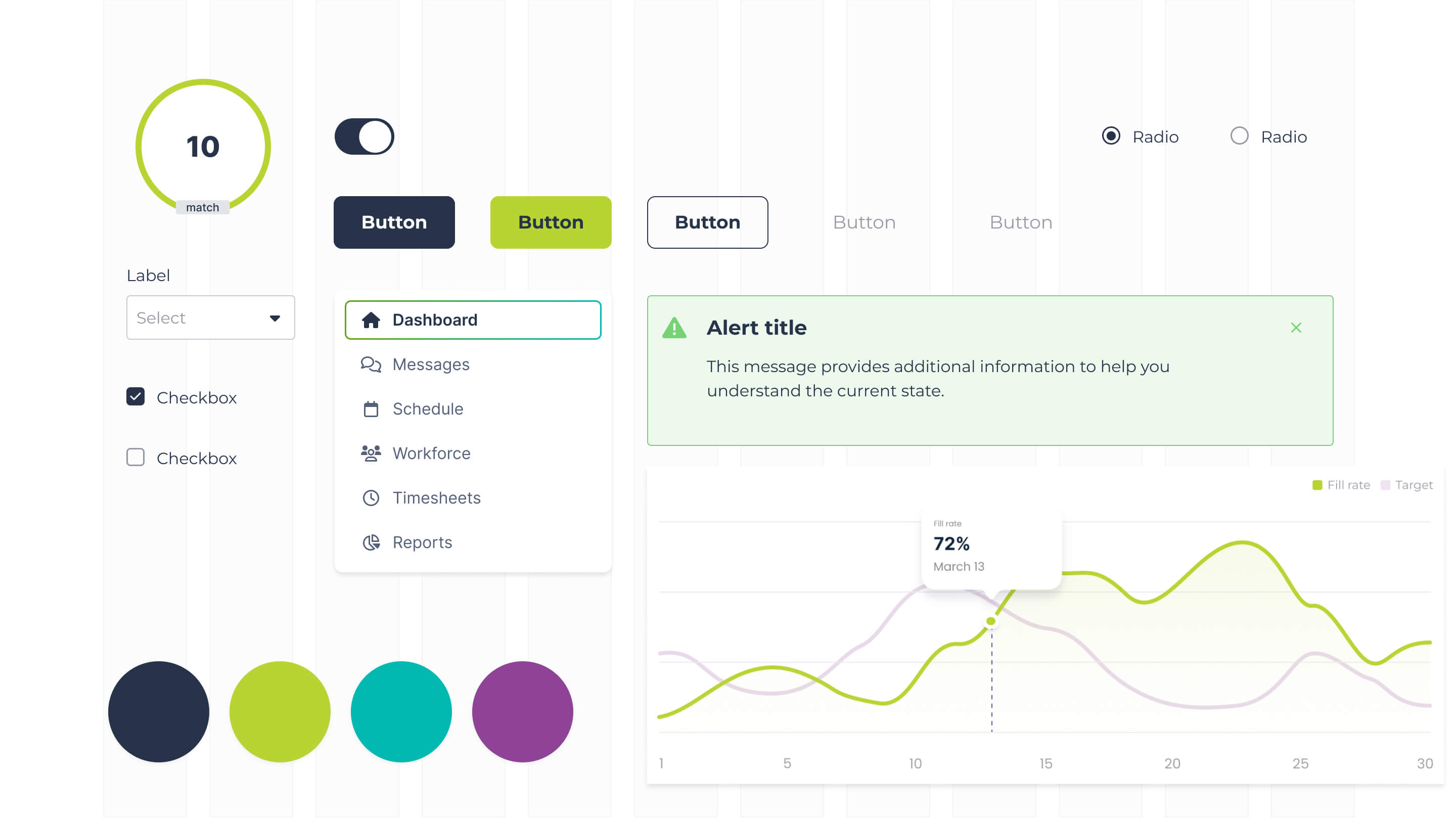
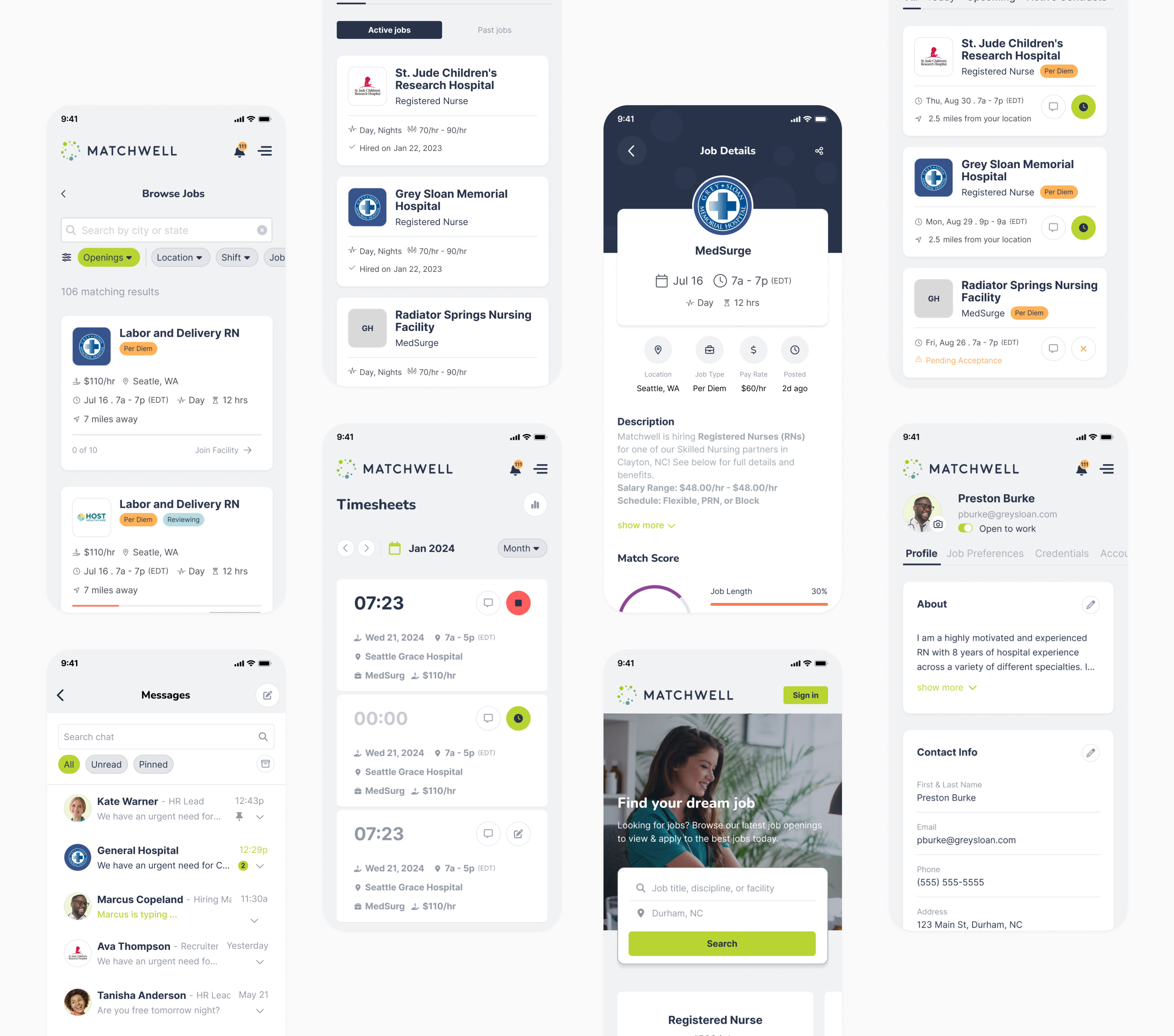
When I joined Matchwell, the product already had a design system created by a third-party agency. While it covered basic visual elements, it lacked scalability, clarity, and consistency, which created friction for both designers and engineers.As the sole designer for the product, I identified the need for a robust design system that could support two different applications — one for clinicians and one for hospitals — while remaining flexible enough to scale with the company’s growth.
Problem
The existing design system presented several challenges:
-
Limited component coverage and unclear usage guidelines
-
Inconsistent patterns across screens and flows
-
High cognitive load for developers due to ambiguous or missing standards
-
Frequent rework caused by design inconsistencies
-
Difficulty maintaining visual and interaction consistency between products
These issues slowed development and made it difficult to deliver a cohesive user experience.
Approach
The goal was not just to create UI components, but to build a foundational system that aligned design, engineering, and product.
Key principles guiding the system:
-
Consistency over customization
-
Flexibility through composition
-
Clear ownership and documentation
-
Support for multiple products and use cases
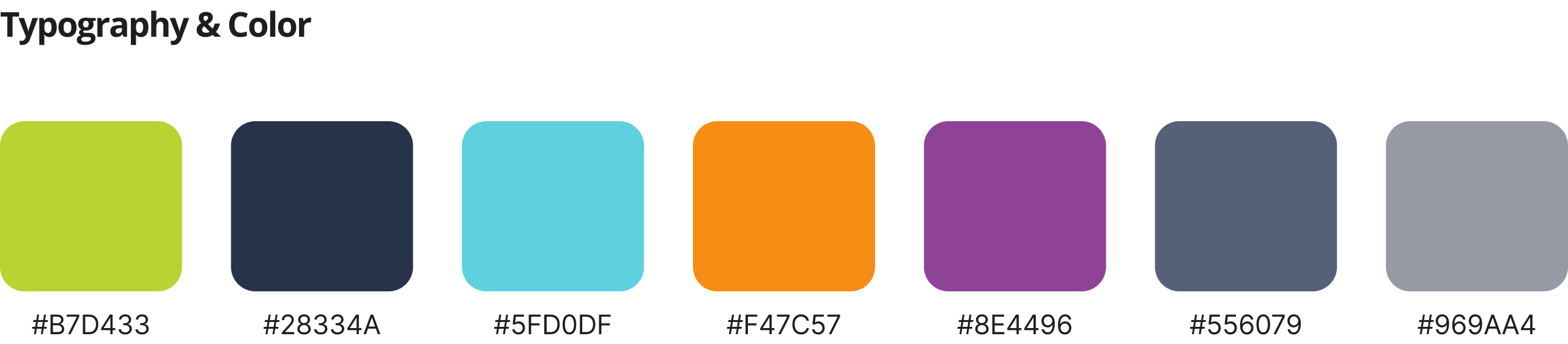
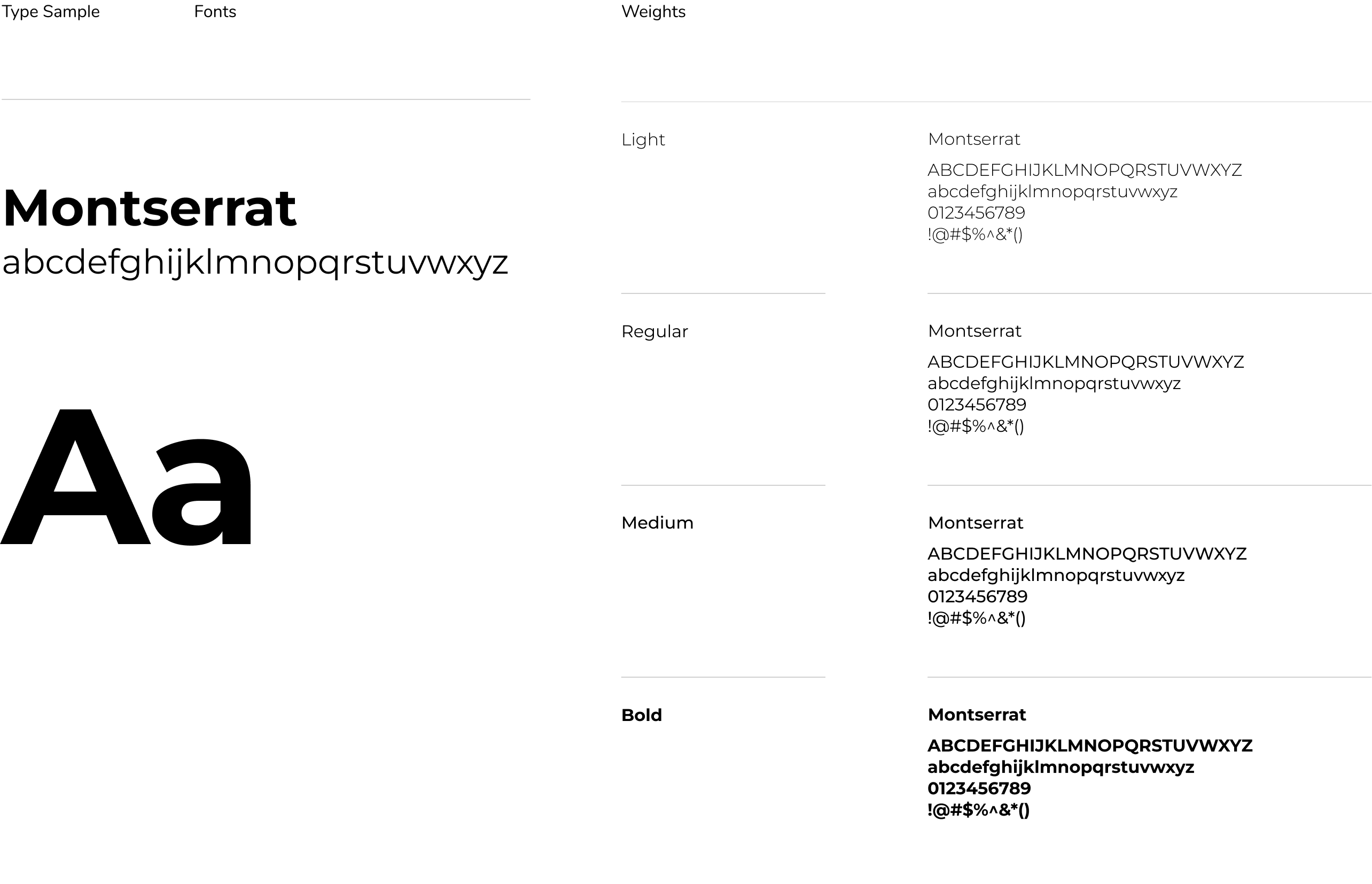
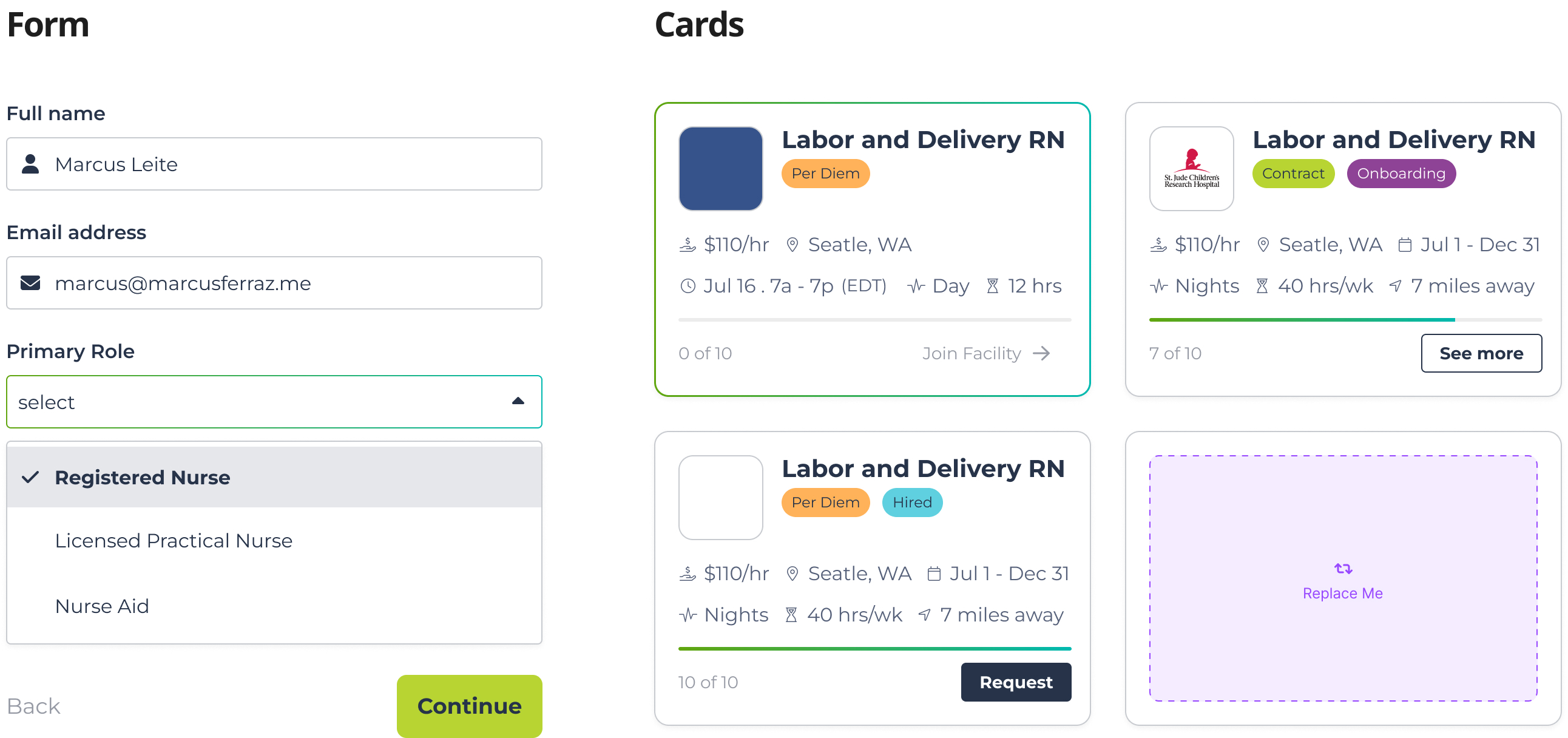
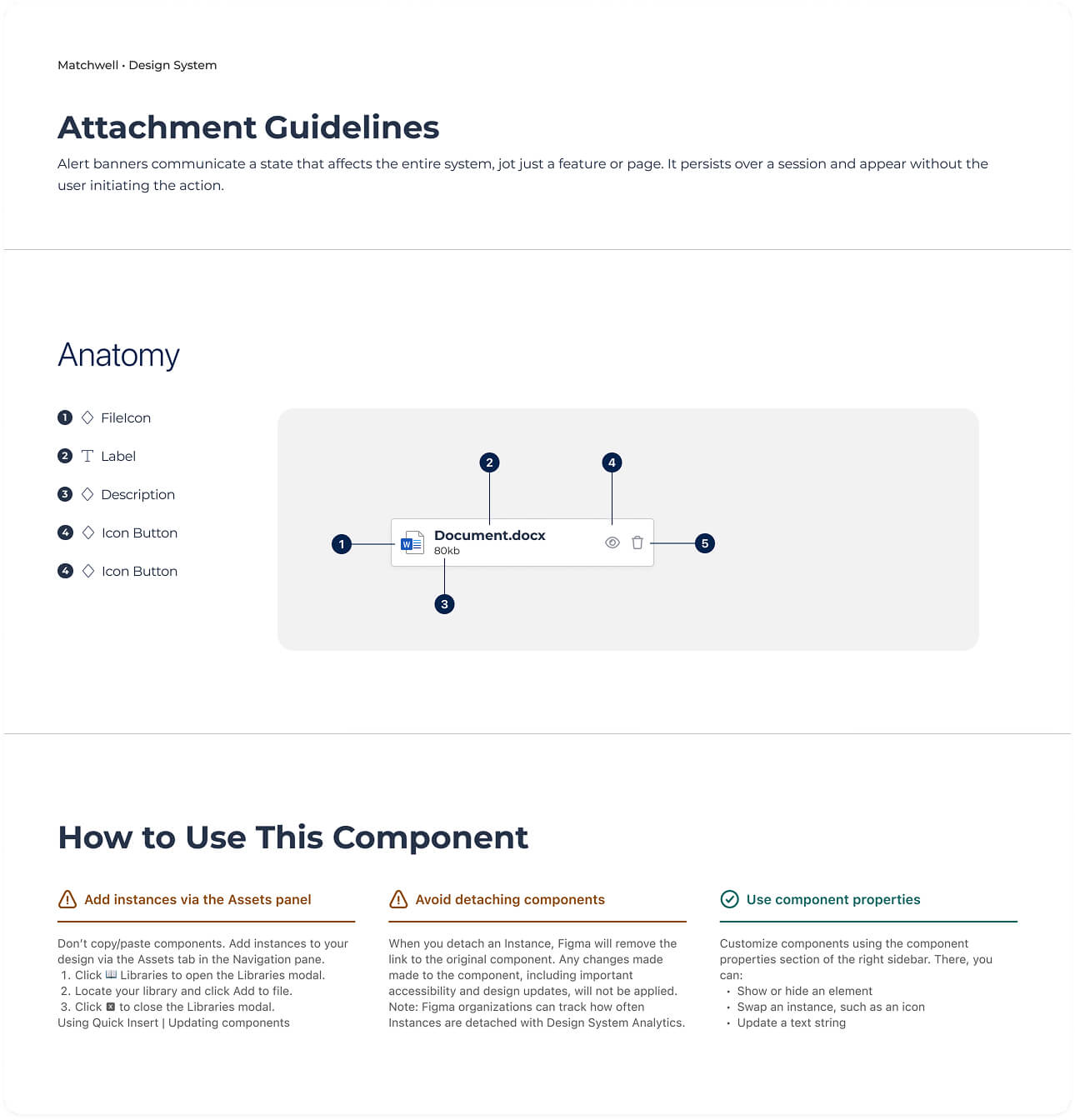
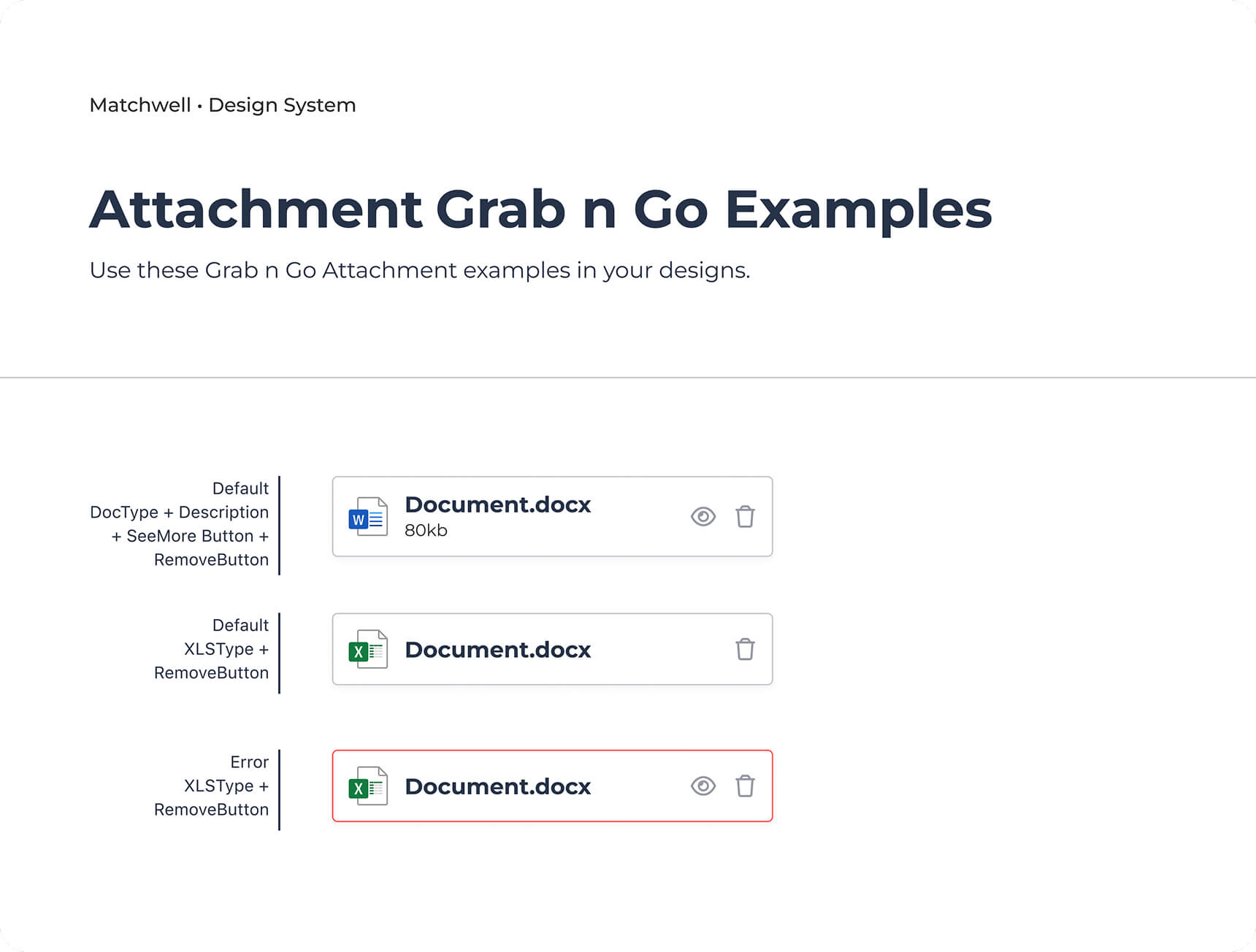
The entire system was designed and documented in Figma, serving as the single source of truth for the team.
Impact
The new design system had a direct and measurable impact on both product quality and team efficiency:
-
Significantly increased development speed
-
Reduced design and engineering rework
-
Improved consistency across two distinct applications
-
Enabled faster iteration and cleaner handoffs
-
Served as the foundation for major redesign efforts, including the clinician-facing Work App
Developers reported less confusion when implementing designs, and the system became a critical enabler for scaling the product.
Learnings
-
A design system is a product, not a library
-
Clear patterns reduce decision fatigue for both users and builders
-
Investing in foundations pays off exponentially over time
-
Systems thinking is essential when supporting multiple products and audiences